
YOGWE · PERSONAL PRODUCT · AI
I built Yogwe to help busy professionals turn scattered health data into calm, daily wellness decisions by deliberately reducing complexity and decision fatigue.
GENERAL INFO
DESIGN PROCESS
Founder-led, decision-driven, validated early.
Founder-led process focused on clarity, restraint, and long-term behavior change.
Multi-phase project over ~12 months
Industry: SaaS | Health
Figma | Flutter | Lottie | Figma Make | AE
My Role: Web Design | Visual Design | UI/UX | Development | Co-founder

THE PROBLEM
The Paradox of Modern Wellness
Modern wellness isn’t constrained by lack of information, it’s overwhelmed by it. Users track steps, calories, sleep, workouts, and recovery across multiple tools, yet still struggle with consistency. Optimisation replaces intuition, and health begins to feel like a second job.
The issue isn’t motivation. It’s cognitive overload

USER PROBLEM
Wellness feels overwhelming, not empowering.
Busy professionals want to be healthier, but their health data is scattered across apps and devices.
They are asked to log constantly, interpret charts, and make repeated decisions throughout the day.
BUSINESS GOAL
Design a wellness product people actually return.
Most wellness products optimize for short-term engagement through tracking, streaks, and metrics.
The goal with Yogwe was different: to design a product that users would voluntarily return to each day.

COMPETITIVE ANALYSIS
Competitive Landscape & Behavioural Insights
To understand where Yogwe should exist, I studied leading wellness, nutrition, and habit-tracking products, focusing not on features, but on how different product philosophies shape user behaviour over time.
The goal was to identify what supports long-term consistency and what silently creates friction, guilt, or abandonment.

DESIGN PHASE
From insight to interface
With the problem framed and competitor analysis done, the focus shifted from analysis to making and exploring interface concepts for the app.
Before diving into flows and systems, I explored the experience through early interface concepts, using visuals to validate tone, hierarchy, and emotional clarity.

WIREFRAMES
Designing the structure before the surface
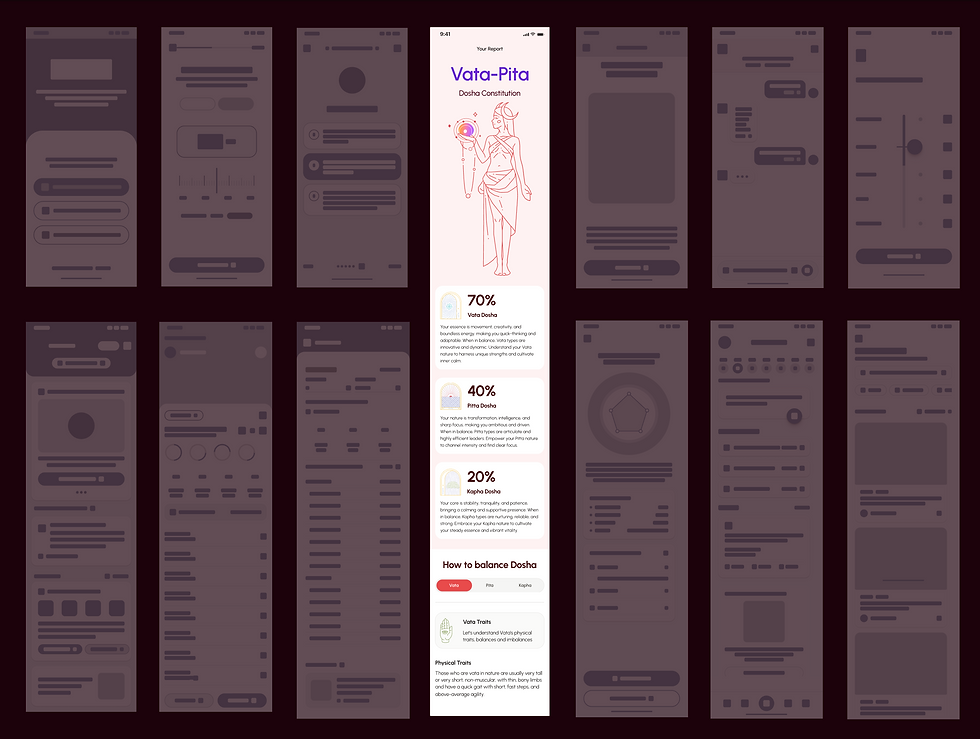
Before moving into visual design, I explored low-fidelity wireframes to validate structure, hierarchy, and cognitive load.
The goal at this stage was not aesthetics or completeness, but to ensure that each screen answered a single user question and reduced the need for interpretation.
These wireframes helped pressure-test the flow, remove unnecessary decisions
TYPOGRAPHY & COLOUR
Typography
Yogwe’s visual system was designed to reduce cognitive load and emotional friction. Every typographic and color decision supports long-term usability over visual noise.
-
High legibility on small mobile screens
-
Soft geometry that feels friendly, not technical
-
Neutral tone that avoids medical or fitness intimidation

Color System
Yogwe’s visual system was designed to reduce cognitive load and emotional friction. Every typographic and color decision supports long-term usability over visual noise.


AI LEVERAGE
Designing with AI as a Creative Partner
AI was not used to replace design thinking in Yogwe — it was used to remove friction, compress timelines, and increase the quality of decisions across the product lifecycle.I treated AI as a co-designer and force multiplier, not a shortcut.

AI-Assisted Research & Pattern Discovery
AI was used to accelerate early-stage research by synthesising large amounts of product, UX, and behavioral data.
How AI helped
-
Analysed wellness, nutrition, habit, and subscription-based apps
-
Identified recurring UX patterns: Onboarding, notification, pricing etc
-
Compared best practices across categories and competitors

Consistent illustration generating AI app
Instead of sourcing or manually creating illustrations, I built a custom illustration generator using Gemini’s app builder.
How AI helped
-
Created a prompt-driven illustration system
-
Reduced dependency on manual illustration work
-
Generated illustrations consistently across screens and flows

Rapid Prototyping with Figma Make
AI was heavily used during prototyping to visualize the full product experience early, not just individual screens.
How AI helped
-
Quickly generate interactive prototypes
-
Explored multiple layout and flows in parallel
-
Visualised end-to-end journeys early and get early feedback

DOSHA QUIZ & RESULTS
Discovering your mind–body blueprint
Yogwe’s Dosha experience is not a personality quiz or a diagnostic test.
It’s a context-setting ritual — designed to help the app understand how your body responds to food, stress, movement, and rest. Instead of asking users to learn Ayurveda, Yogwe translates it into immediate, practical guidance.



ONBOARDING
Earn trust before asking for effort
Yogwe’s onboarding is designed to feel like a gentle setup, not a questionnaire.
The goal isn’t data collection, it’s to quickly understand the user’s context so the app can reduce decision fatigue from day one.

COMPONENTS
Designing Components that brings product to life
Yogwe’s interface is built from a diverse set of purpose-driven components designed to make the product feel alive, Rather than relying on generic cards and charts, I created a library of expressive components that work together to communicate insight, emotion, and progress without overwhelming the user.

DESIGN SYSTEM
Designing for consistency, and scale
Yogwe’s design system was built to do make sure that designs are consistent, I could scale easily and faster. A system that can adapt with change and faster changes without breaking any current designs.

Launched V1 on iOS & Android
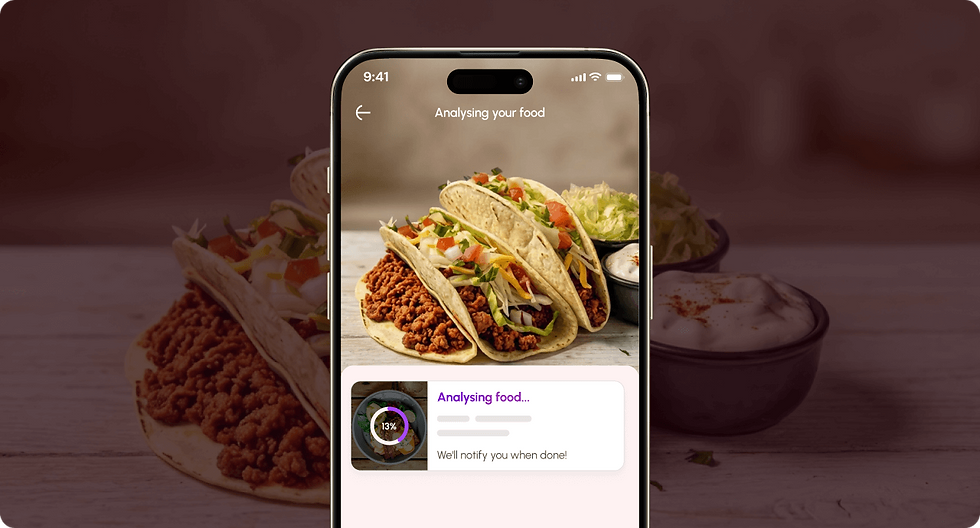
Successfully shipped the first public version of Yogwe across both platforms, turning a concept into a real, usable product.
100+ Early Users Onboarded
Acquired the first cohort of users organically, validating real interest beyond design mockups.
Core Problem Validated
Early usage and feedback confirmed a key insight:
users respond better to clear guidance and next steps
RESULTS
The goal of Yogwe’s V1 was not scale, but signal.
This release validated the need for reduced cognitive load in wellness apps, proved the effectiveness of guidance-first design over metric-heavy tracking, and confirmed the viability of Ayurveda-inspired, non-clinical personalization. Most importantly, it transformed assumptions into real user learning, creating a strong foundation for iteration, refinement, and future growth.
.png)
RETROSPECTIVE
Metrics don’t change behaviour. Clarity does.
User feedback made one thing clear: people are tired of raw numbers.
Metrics without context create anxiety. When insights are interpreted and paired with a clear next step, users feel supported and are more likely to engage.
Wellness works best when the product tells users what matters now, not everything at once.
Not every good idea should ship.
Yogwe started with many feature ideas inspired by other products.
Early feedback revealed that shipping fast, testing, and cutting aggressively mattered more than perfect planning.
User needs always outweighed interesting ideas.
Systems before screens.
This project reinforced the importance of:
-
Starting with user flows
-
Designing systems, not isolated screens
-
Prioritizing consistency and logic over decoration
What Yogwe taught me
Yogwe strengthened my product thinking, AI fluency, and system-level design skills. Most importantly, it taught me that great wellness products don’t push users harder, they guide them gently, with clarity and care.


